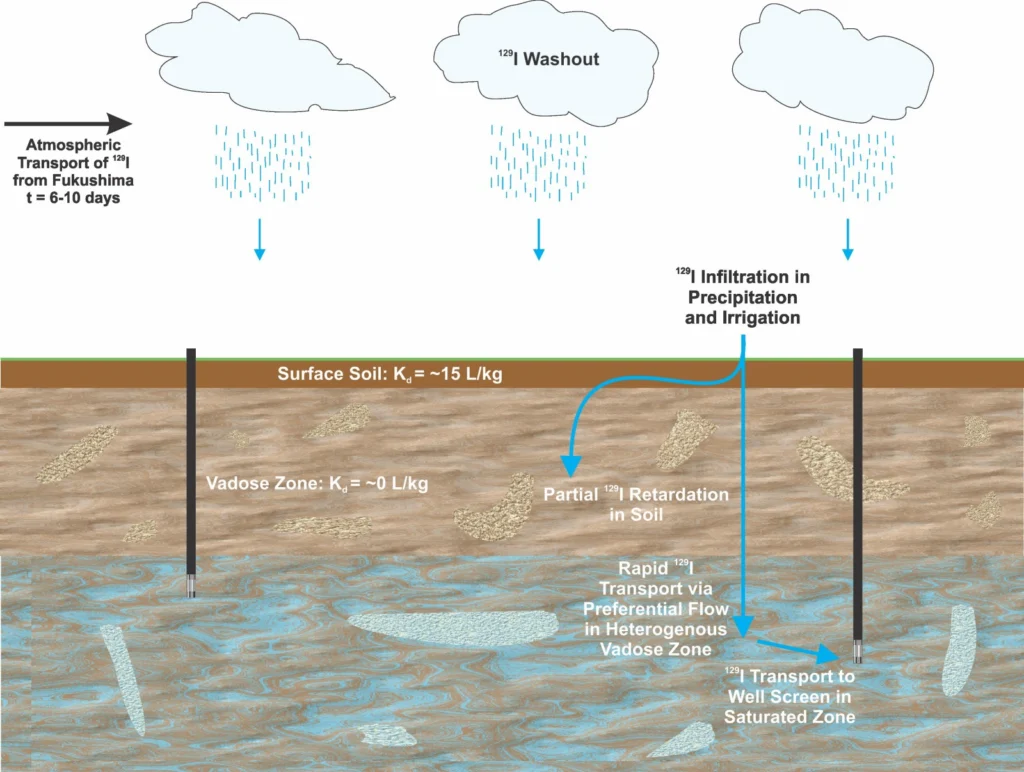
A recently published paper (by myself and colleagues from uOttawa and Environment Canada) investigates the environmental fate of the long lived radioisotope of iodine, 129I, which was released by the Fukushima-Daichii Nuclear Accident (FDNA). Within 6 days of the FDNA 129I concentrations in Vancouver precipitation increased 5-15 times above pre-Fukushima concentrations and then rapidly returned to background. The concentrations of 129I …[Read More]
radionuclides
Photo of the Week #49
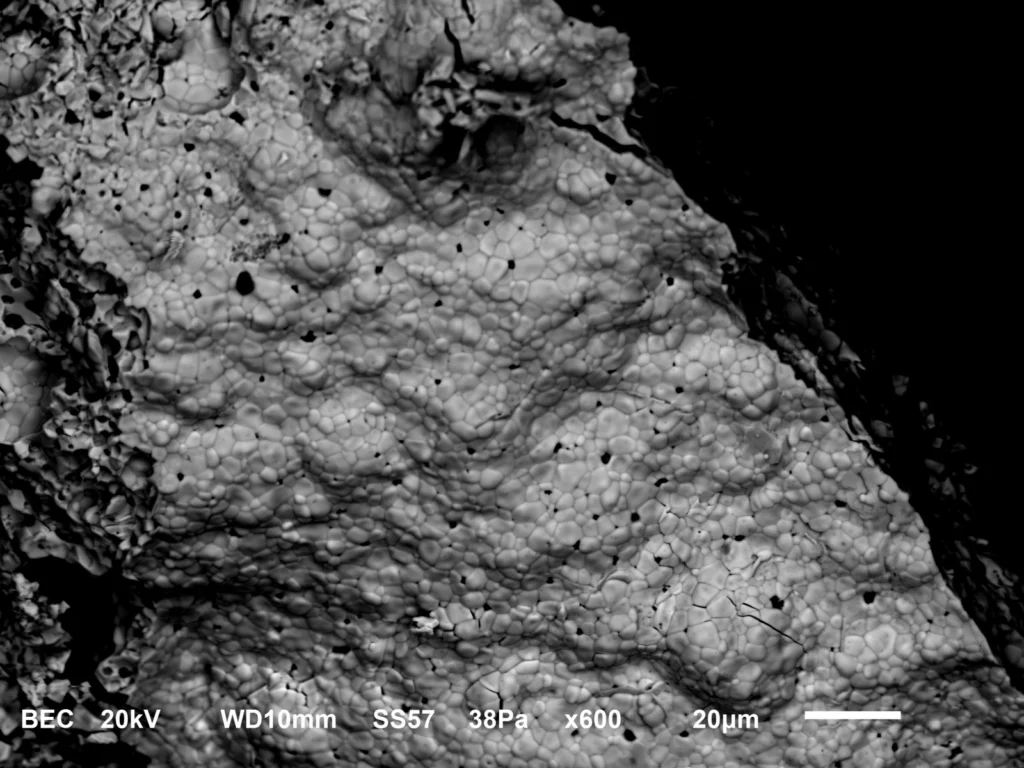
This week’s photo is from my personal research and shows a precipitate that I generated in the lab one day of AgI (silver iodide) for analysis of 129I by accelerator mass spectrometry. I felt though that I wanted to verify the purity of the AgI so I quickly threw in on our scanning electron microscope …[Read More]
ATTA and the Curious Case of Krypton-81
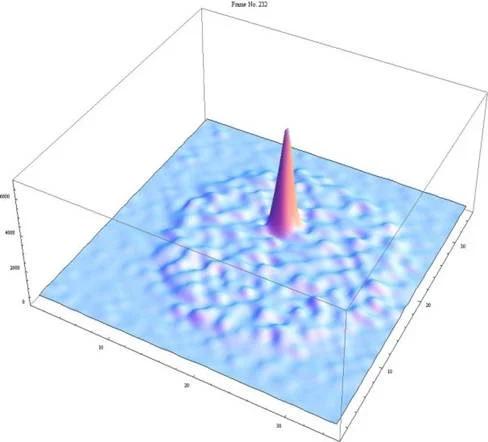
Ok, so I took some license with the title. This isn’t really a curious case and neither Krypton-81 nor ATTA are actually people. In fact, Krypton-81 (81Kr) is a radioisotope of the noble gas krypton and ATTA, which stands for atom trap trace analysis, is the revolutionary technique that has made its analysis possible. I …[Read More]
GeoPoll: What should we do with radioactive waste?
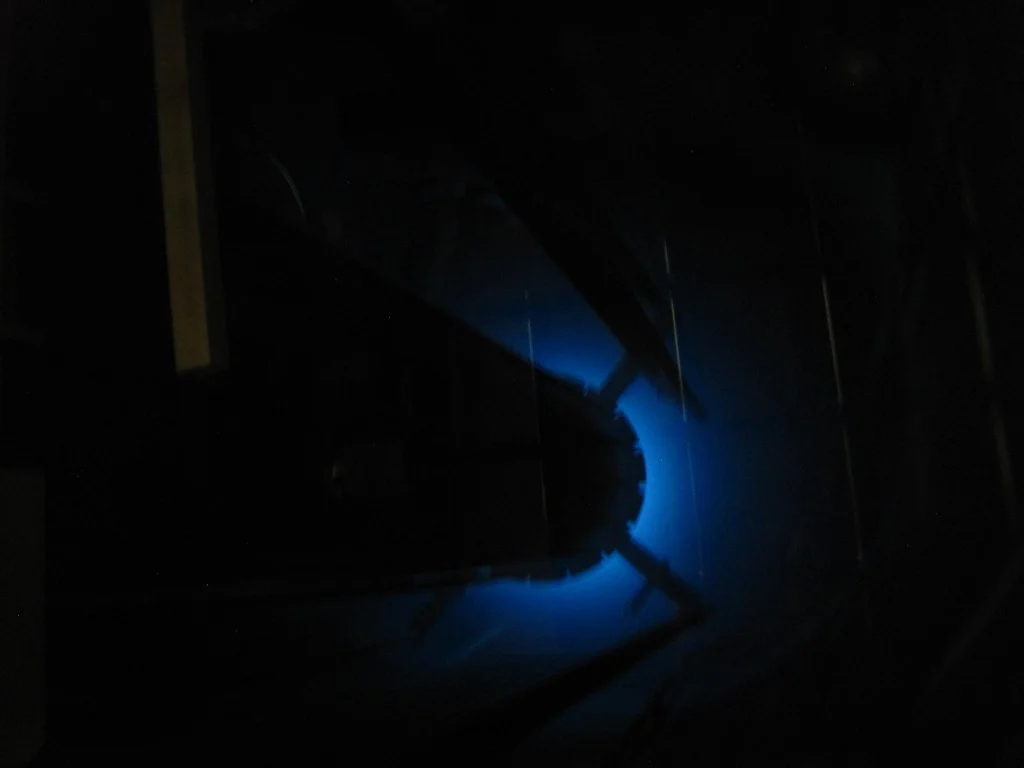
I don’t think it is any secret that the world is facing an imminent energy crisis. We are trying to generate more power than ever before, but at the same time, we now realize we have to do it in a sustainable way that does not harm the environment or exacerbate any existing issues such …[Read More]
Shades of L’Aquila: Italian Geochemists avoid Huge Miscarriage of Justice
On rare occasions I hear about a story that must be told. This story is one of those and I feel that it deserves attention from the broader geoscience community. We have all heard of the L’Aquila verdict against the Italian seismologists concerning the devastating earthquake in 2009. If you haven’t, read these articles by Chris Rowan. At the time …[Read More]
The Mysteries of Maqarin
We all know that cement is a man-made substance and therefore cement is always synthetic right? Wrong! In the unusual case of Maqarin, Jordan the stars aligned to produce natural cement and many of the “synthetic” minerals found therein. The Maqarin site has been the subject of an intense geological investigation by a consortium of …[Read More]
My EGU2013 (Tuesday)
Firstly, I am not actually attending EGU 2013 this year. However, that does not mean I can’t participate. In fact, it has been incredibly easy for to me join in, although I have had to wake up very early in the morning to make up for the time difference between Vienna and Ottawa. I took …[Read More]