After 3 years of blogging, (can you believe Jenga has been going for 3 years already?!), the time has come to wave goodbye to the EGU Blog network. Dan and I have very much enjoyed being part of this active, fun and engaging community of geoscience bloggers. However, our circumstances have changed signifiantly since we …[Read More]
Guest Posts
An Andy Warhol Moment for Liverpool’s Geomagnetism Group – dating the formation of the Earth’s Inner core
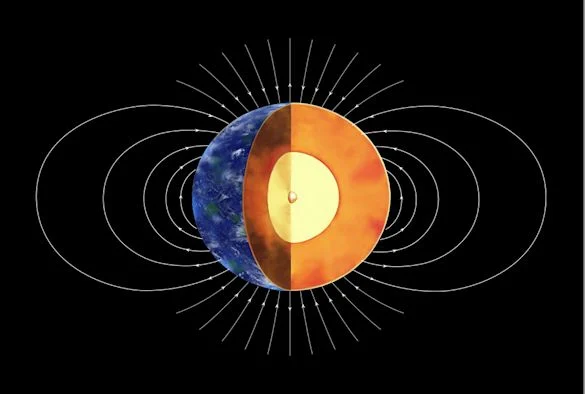
This week, my PhD supervisor, Andy Biggin, had a paper out in Nature. The findings of this new research point towards the Earth’s inner core being older than we’d previously thought. Recent estimates, suggest that the Earth’s solid inner core started forming between half a billion and one billion years ago. However, Andy’s (and co-workers) …[Read More]
Help! I’m appearing as a scientific expert on TV
At the beginning of the year, the small village of Rutland, in the heart of the UK, was hit by a 3.8 Magnitude earthquake. The quake didn’t cause any significant damage or injuries, but hit the headlines as seismic activity is a bit of a novelty in the UK! In the wake of the quake, …[Read More]
Is it your duty to communicate your science?
Hello everyone! Gosh! It’s been a long time since I’ve blogged, I apologise! I am in the deepest, darkest hole that is called thesis writing. To make matters worse, the post today isn’t even my own! Having said that, it is a a fantastic guest post by Ekbal Hussain. on why scientist SHOULD communicate the …[Read More]
A foreseeable, yet surprising earthquake?
On Wednesday morning I woke up to a flurry of activity on my twitter feed: there had been a large earthquake in northern Chile. I followed up some of the tweets and realised that there had also been some tsunami warnings as a result of the earthquake. After ascertaining that the scale of the disaster …[Read More]
Seismologists must leave their comfort zone: A Guest post by Steve Hicks
Scientists studying earthquakes should be prepared to put themselves forward to reduce the risk of earthquake damage. This was one conclusion from a meeting of scientists and engineers in London last week. Picture yourself here. You are an earthquake scientist. Years of research conclude that a capital city lies close to active fault that has …[Read More]