GeoLog

Natural Hazards

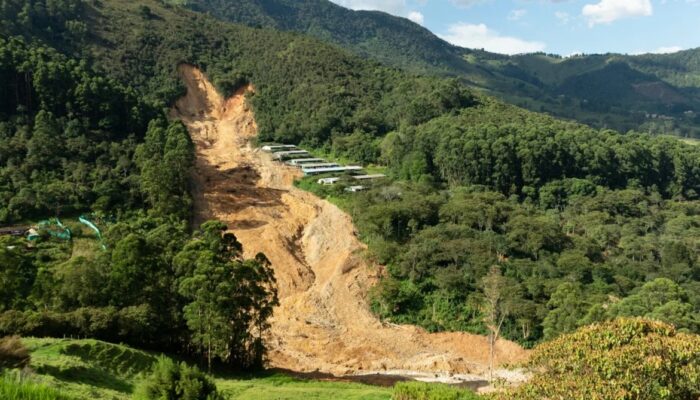
Thirty years after Biescas: Rethinking alluvial fan flooding and infrastructure failure
Thirty years after Biescas: Rethinking alluvial fan flooding and infrastructure failure
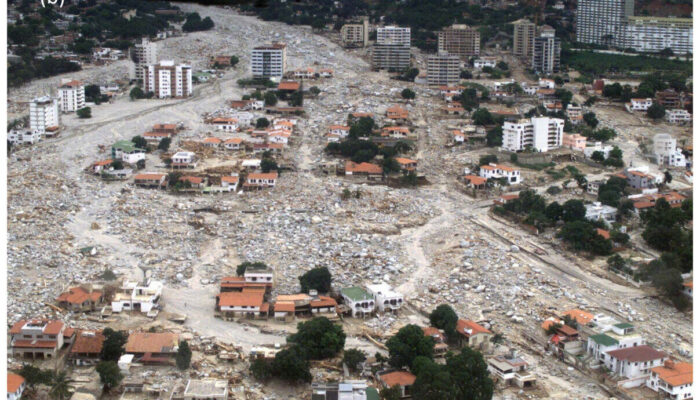
Thirty years ago, in August 1996, a catastrophic flash flood swept through the Las Nieves campsite on the alluvial fan of the Barranco de Aras near Biescas in the Central Pyrenees of Aragón, Spain. The tragedy claimed 87 lives and injured over 180 people. This makes it one of the most severe weather-related disasters in modern European history. In the decades following the disaster, geoscientists ...[Read More]

More than meets the eye: What can we learn from non-visual science

More than meets the eye: What can we learn from non-visual science

Many people exhibit a strong visual orientation, as a significant portion of human neurobiology is dedicated to processing light; however, this reliance is usually as much a product of our visually-centered environments as it is our biology. Science, however, reminds us that important information can come from different senses as well: sound, smell and tactile information all have something to say ...[Read More]

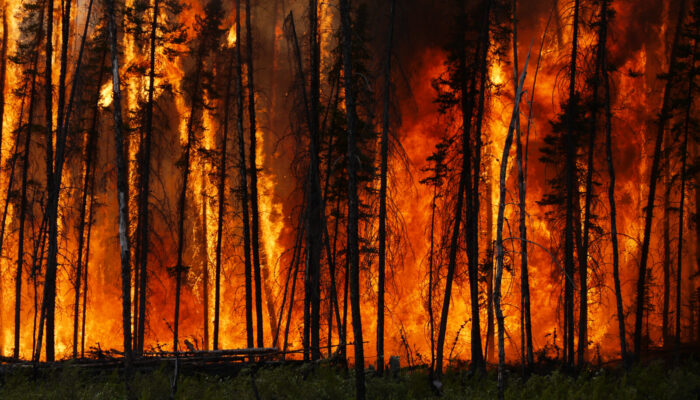
A trial by fire: Can we learn how to read a burning planet?

A trial by fire: Can we learn how to read a burning planet?

I grew up watching my dad come home covered in soot. For most of his life, he worked as a firefighter in a natural reserve in Galicia, in northern Spain, a region of green mountains and steep terrain, almost Lord of the Rings in its landscape, but also a place where fire moves quickly and is notoriously difficult to control. Firefighting crews there are used to the fact that, to even begin work, t ...[Read More]

GeoTalk: meet Thanushika Gunatilake, researcher of earthquake impacts on geothermal energy

GeoTalk: meet Thanushika Gunatilake, researcher of earthquake impacts on geothermal energy

Hello Thanushika – welcome to GeoTalk! Before we delve deeper, could you introduce yourself to our readers? Thank you for having me! I’m Thanushika Gunatilake, an Assistant Professor at Vrije Universiteit Amsterdam. My research connects natural and human-induced processes in the Earth’s crust; from earthquake nucleation in the central Apennines, subduction dynamics, and volcanic activity, to geoth ...[Read More]

The importance of building early warning systems from the ground up

The importance of building early warning systems from the ground up

As the Early Warnings for All (EW4ALL) initiative gathers pace with its 1st Multi-Stakeholder Forum last month in Geneva, we have welcomed a recognition by experts of the importance of tailoring early warning systems to local needs. The ambition to ensure everyone on Earth is protected by a multi-hazard early warning system by 2027 is bold and demands an urgent setup of systems around the world. D ...[Read More]

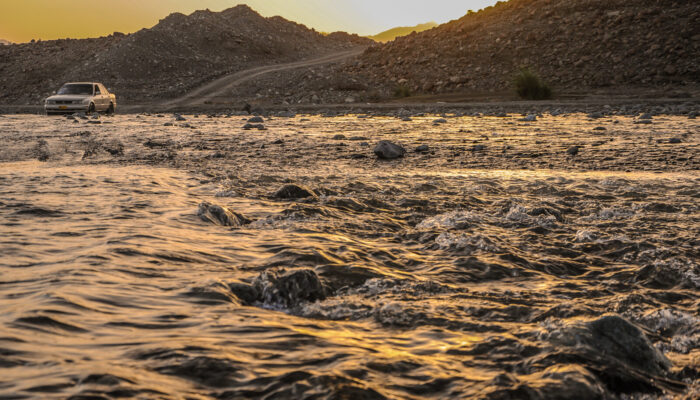
Open flood modelling: Real time inundation and human displacement forecasting is now possible!

Open flood modelling: Real time inundation and human displacement  forecasting is now possible!

Floods are powerful natural events that can wreak havoc on communities and ecosystems. Every year, millions of people are affected by floods, leading to loss of life, damage to homes, and disruption of daily life. This blog post explores a new method for quickly mapping flood zones and predicting their impacts. To help communities and decision-makers better prepare, the authors of a recent publica ...[Read More]

Palaeoseismic crisis in the Galera Fault (southern Spain): consequences in Bronze Age settlements?

Palaeoseismic crisis in the Galera Fault (southern Spain): consequences in Bronze Age settlements?

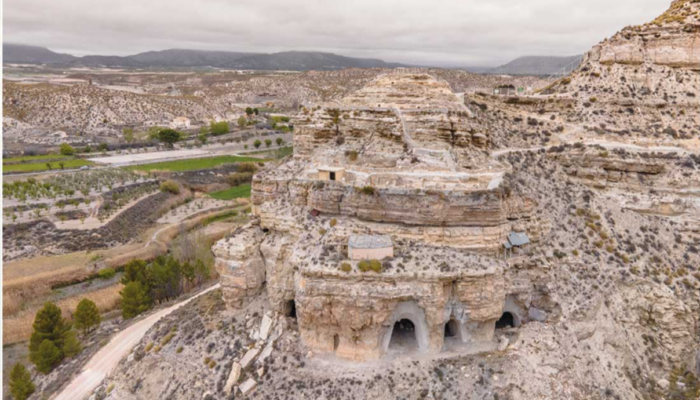
Alright, buckle up folks for this blog post, because we’re about to explore the wild ride of plate tectonics between the Iberian Peninsula (Eurasia plate) and North Africa (Nubia plate). These two plates are moving slowly at a moderate pace of 5-7 mm per year, which might not seem like much, but it’s enough to shake things up—literally! In a recent paper, published by our journal Solid Earth ...[Read More]

Higher Education Resource: River Flood Hazard Modelling & Management

Higher Education Resource: River Flood Hazard Modelling & Management

The European Geosciences Union (EGU) supports bringing science into the classroom at all learning levels, from schools to universities. Since the Higher Education Teaching Grant programme launched in 2020, EGU has funded 24 projects to develop useful and freely-available geoscience resources to university educators. This blog is part of a series of blogs highlighting the innovative and accessible ...[Read More]

GeoTalk: meet Maria Vittoria, risk communicator & Early Career Scientist Representative for Natural Hazards

Mavi Vittoria

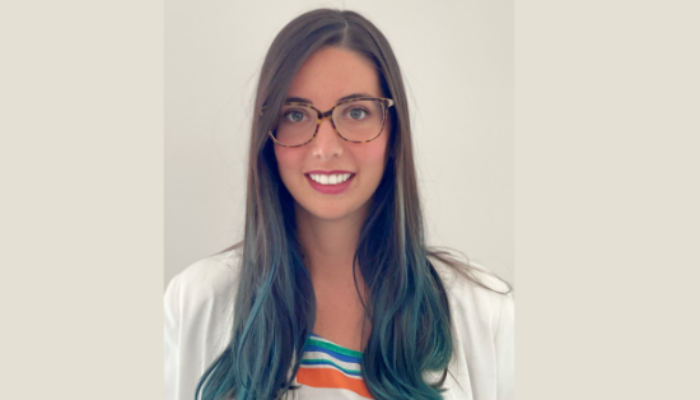
Hello Mavi! Welcome to GeoTalk. Before we start, could tell our readers a little about yourself and your background? Hey Simon! Thanks for the warm welcome. I’m Maria Vittoria, but you can call me Mavi. I’m a curious soul from southern Italy, a physicist by passion, and a dreamer at heart. My journey has taken me from Italy to the UK and back, studying the tiniest particles to the vast ...[Read More]

What I wish someone told me early in my career: meet Hazel Gibson, our Head of Communications

What I wish someone told me early in my career: meet Hazel Gibson, our Head of Communications

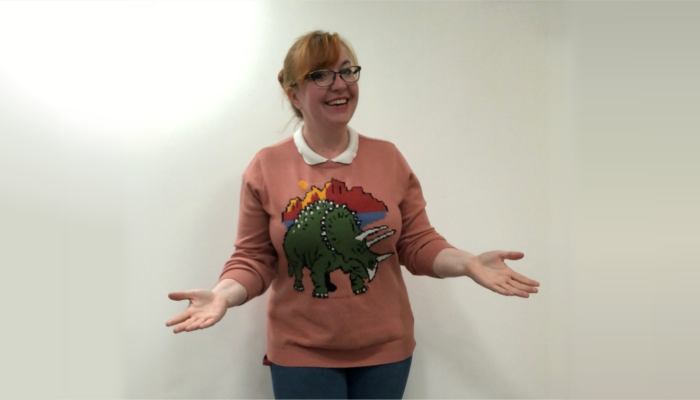
‘What I wish someone told me early in my career’ is a new Geolog series that aims to provide valuable insights and guidance to early-career professionals within the European Geosciences Union (EGU) community. Each month, I will interview a staff member of EGU to share their personal career journey, experiences, challenges faced, and the tips they wish they had received earlier in their ...[Read More]