
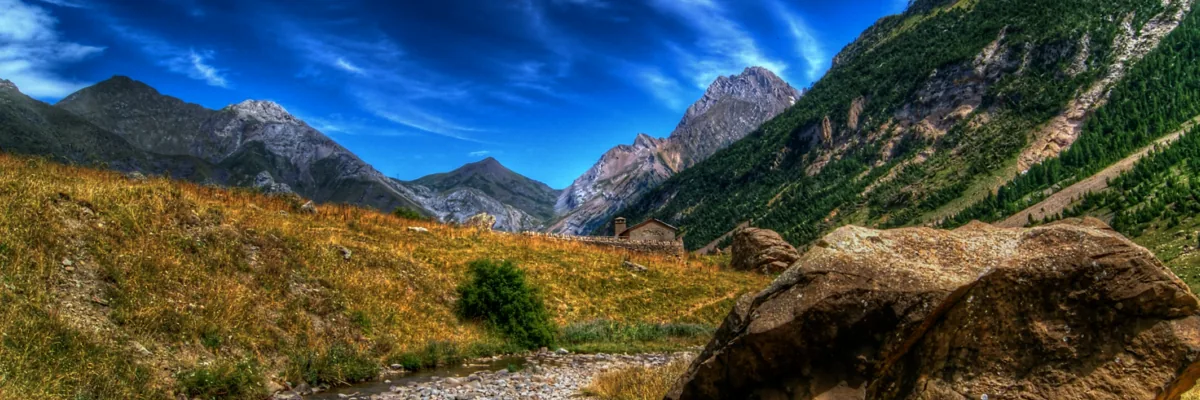
Mountain hazard regimes are fundamentally shifting. There is consensus not just among concerned scientists, but practitioners of risk management, that mountain hazard regimes are affected by warmer temperatures and intensifying precipitation events. The effects of these changes are further amplified by increasing population density in known hazard zones; with more infrastructure and human settlements in …[Read More]
Division blogs
Drought in Europe
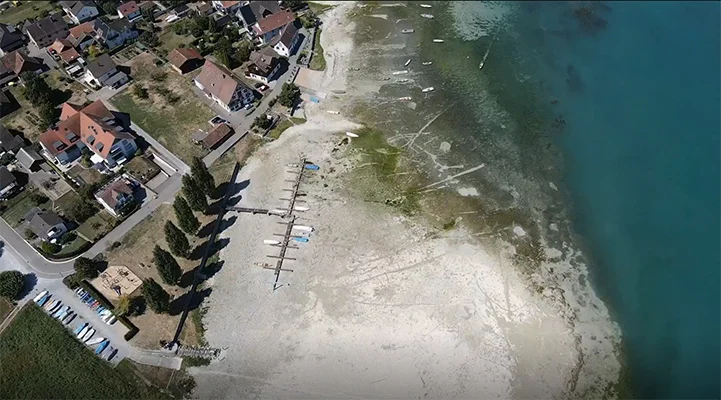
Many of us are experiencing it right now: Europe is suffering from a long lasting large scale drought (Fig. 1), with record heat and low-flow levels that probably nobody of us has seen before; and current forecasts do not announce any relieve for the coming weeks. The pictures of record low levels in the river …[Read More]
In the News: A Geomorphologists’ perspective on the Strait of Hormuz
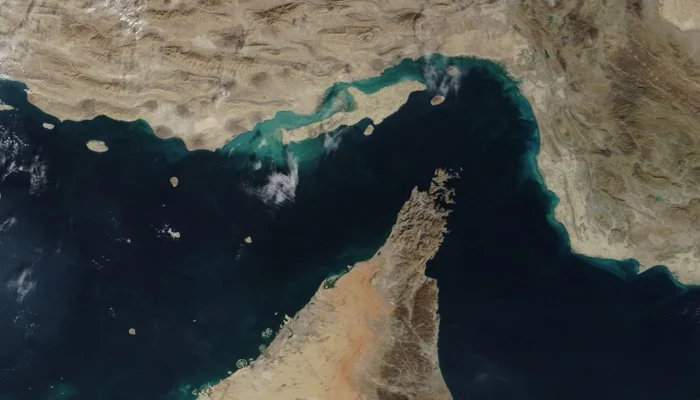
Welcome to In the News: A Geomorphologist’s Perspective! The intent of this series is to explore the geology and geomorphology of places that are currently in the news. For this first installment, we’ll do a quick tour of how geological processes have laid the groundwork for current fighting over control of the Strait of Hormuz. …[Read More]
Has groundwater finally gone mainstream?
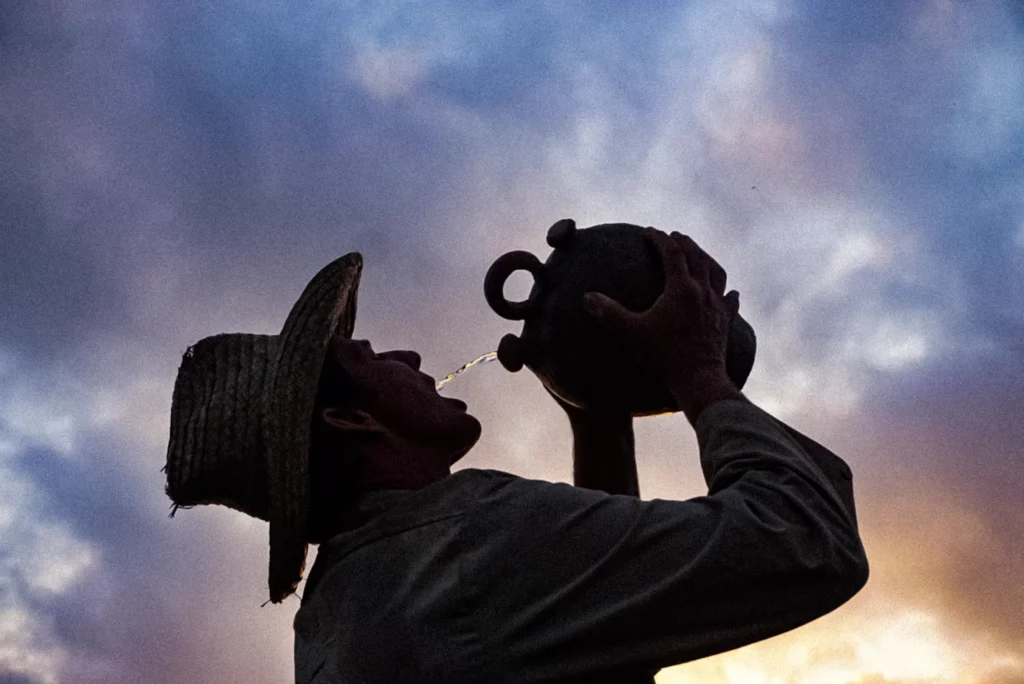
Groundwater has always had an image problem. Throughout my career, I have lost count of how many times we have described groundwater as an “invisible resource” or similar. It is almost a cliché in hydrogeology. We use the phrase because it captures something really fundamental: groundwater is hidden physically, but it has also been hidden …[Read More]
Minoan Meltdown: Could an eruption spark the myth of Atlantis?
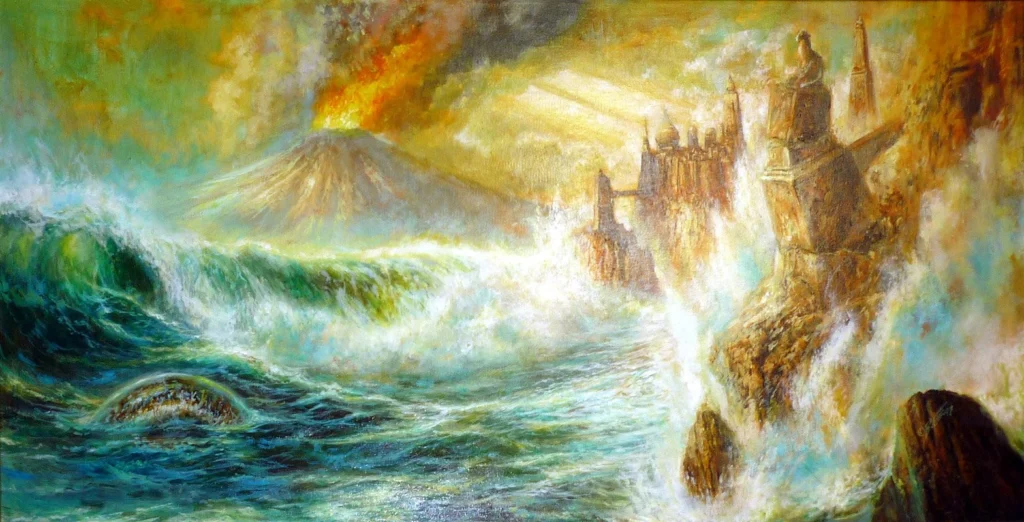
We live in a world full of mysteries and wonders… or at least that is the view of most ancient philosophers, such as perhaps Plato in ancient Greece. Atlantis, the legendary island that lay in the middle of the Atlantic Ocean, is said to have been completely destroyed overnight. To this day, numerous artists and …[Read More]
Mobilidiocy

Guess who’s back? Back again! Sassy’s back, tell your colleagues! This week I am going to shoot the elephant in the room by answering Will’s question “Is Mobility a plus or a must for a research career?” Now I know I have already answered a similar question some time ago, but a changing world requires …[Read More]
When the atmosphere moves the sea: Meteotsunami waves
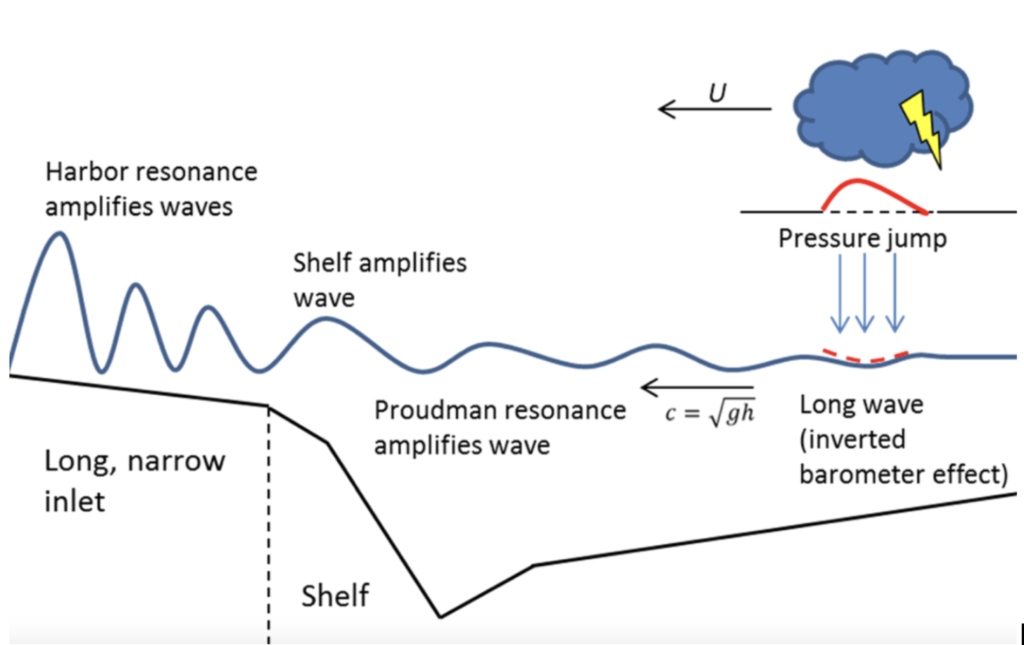
Meteotsunamis or meteorological tsunamis are globally occurring progressive shallow water waves with a period of between 2 to 120 minutes which results from an air-sea interaction. They tend to be initiated by sudden pressure changes and wind stress from moving atmospheric systems with sources ranging from convective clouds, cyclones, squalls, thunderstorms, atmospheric gravity waves and …[Read More]
Science has no borders. Researchers do: a modern Odyssey
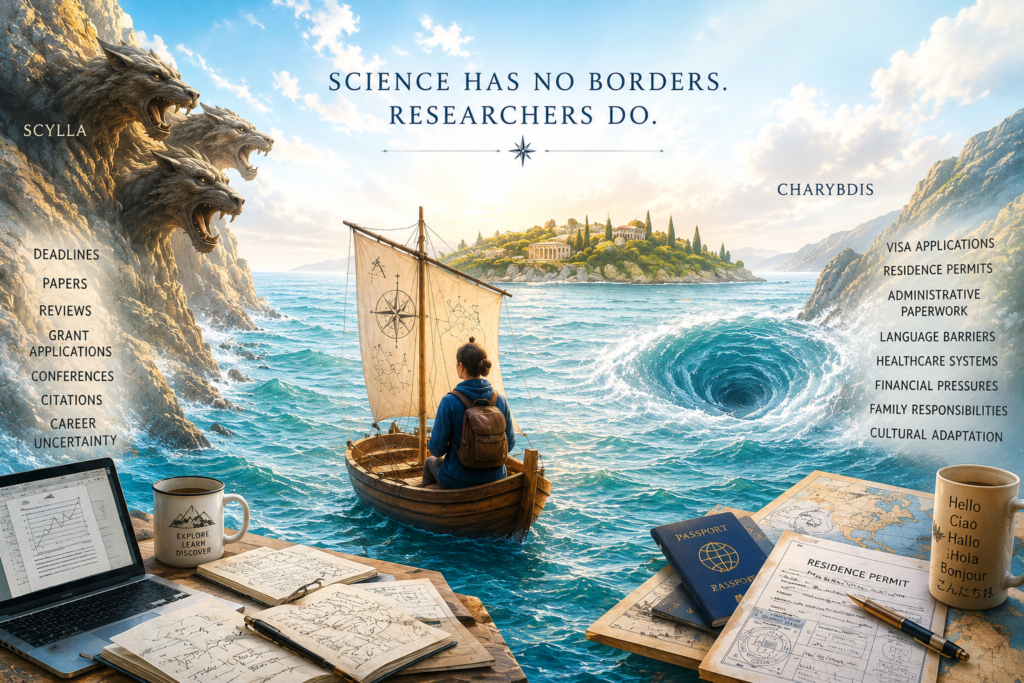
When Homer wrote The Odyssey nearly three thousand years ago, he described a journey filled with storms, uncertainty, unexpected detours, and the relentless hope of eventually reaching Ithaca. Today’s journeys may no longer cross the Mediterranean, but they continue to test researchers’ resilience in unexpected ways. Not because researchers sail across unknown seas, but because …[Read More]
Great Names in Geomorphology A–Z: Frank Ahnert
Introducing our new mini-series by GM Blog co-editor Wioleta Porębna: Great Names in Geomorphology A–Z! Our readers will choose the next name in alphabetical order – leave your suggestions in the comments! Frank Ahnert (12 December 1927 – 10 September 2017) was a German geomorphologist whose work played a pivotal role in establishing quantitative and …[Read More]
Tidal pulse of rivers
The research gap Ocean tides play a significant role on ocean circulation, coastal processes and mass variations. Tides are generated from the gravitational interaction between Earth, Moon and Sun, which typically results in two high and two low tides observed each day. Satellite observations have vastly expanded our understanding of ocean tides. In 2022, the Surface …[Read More]